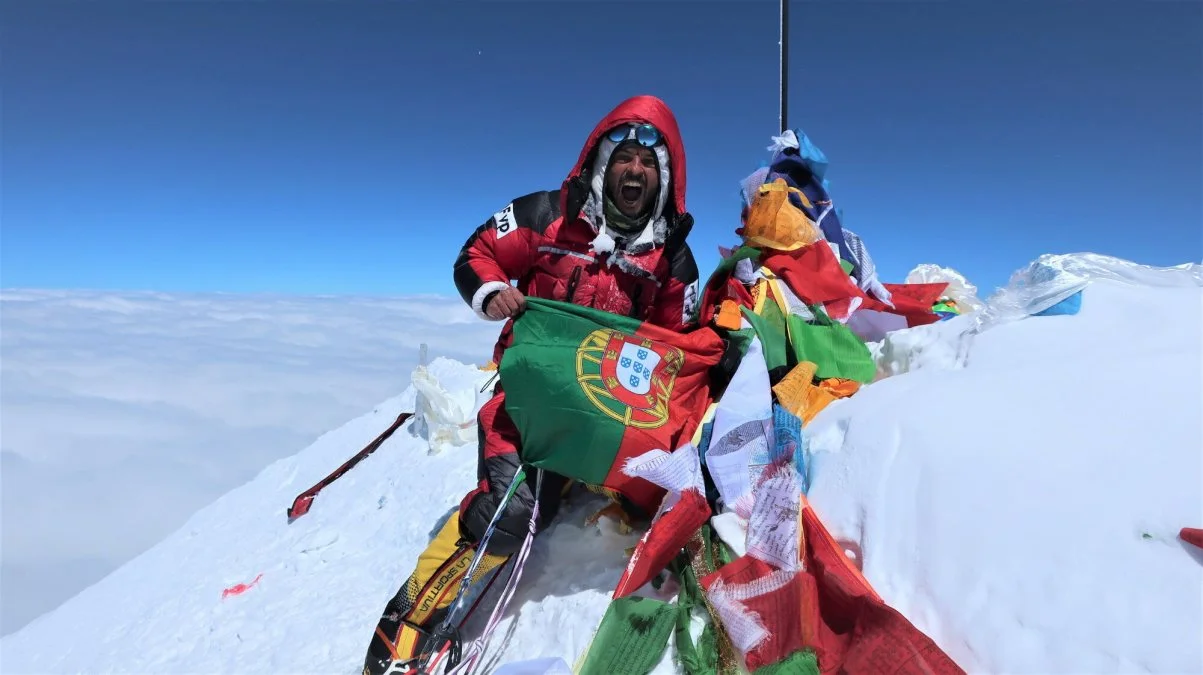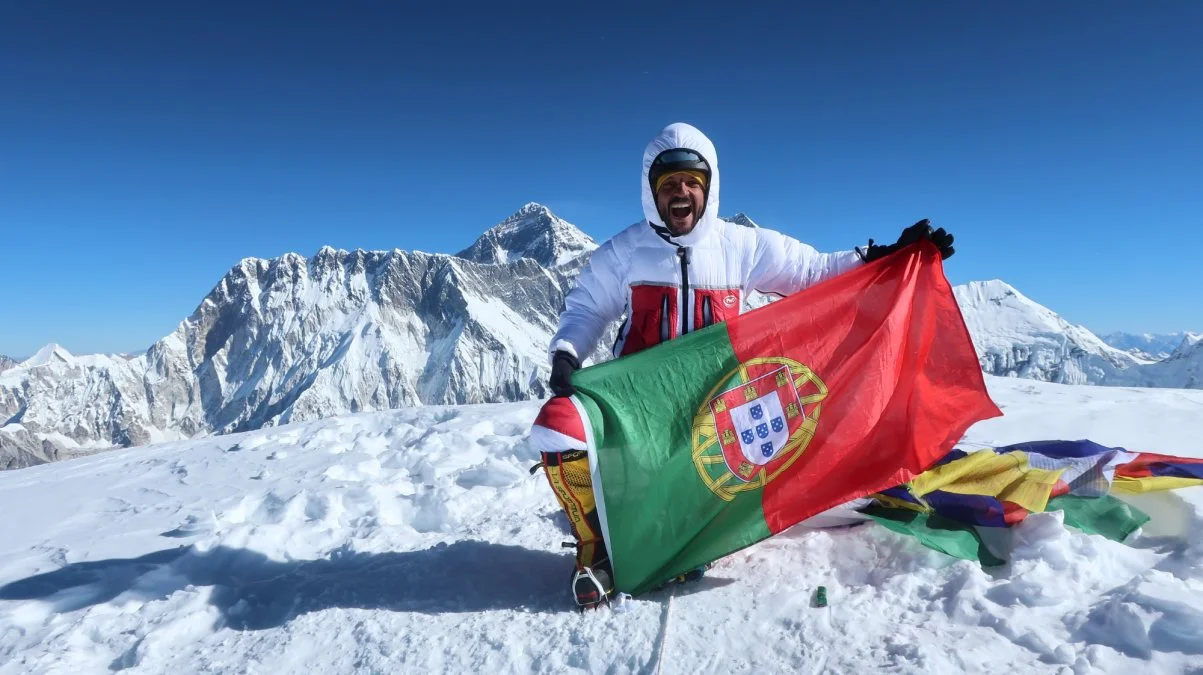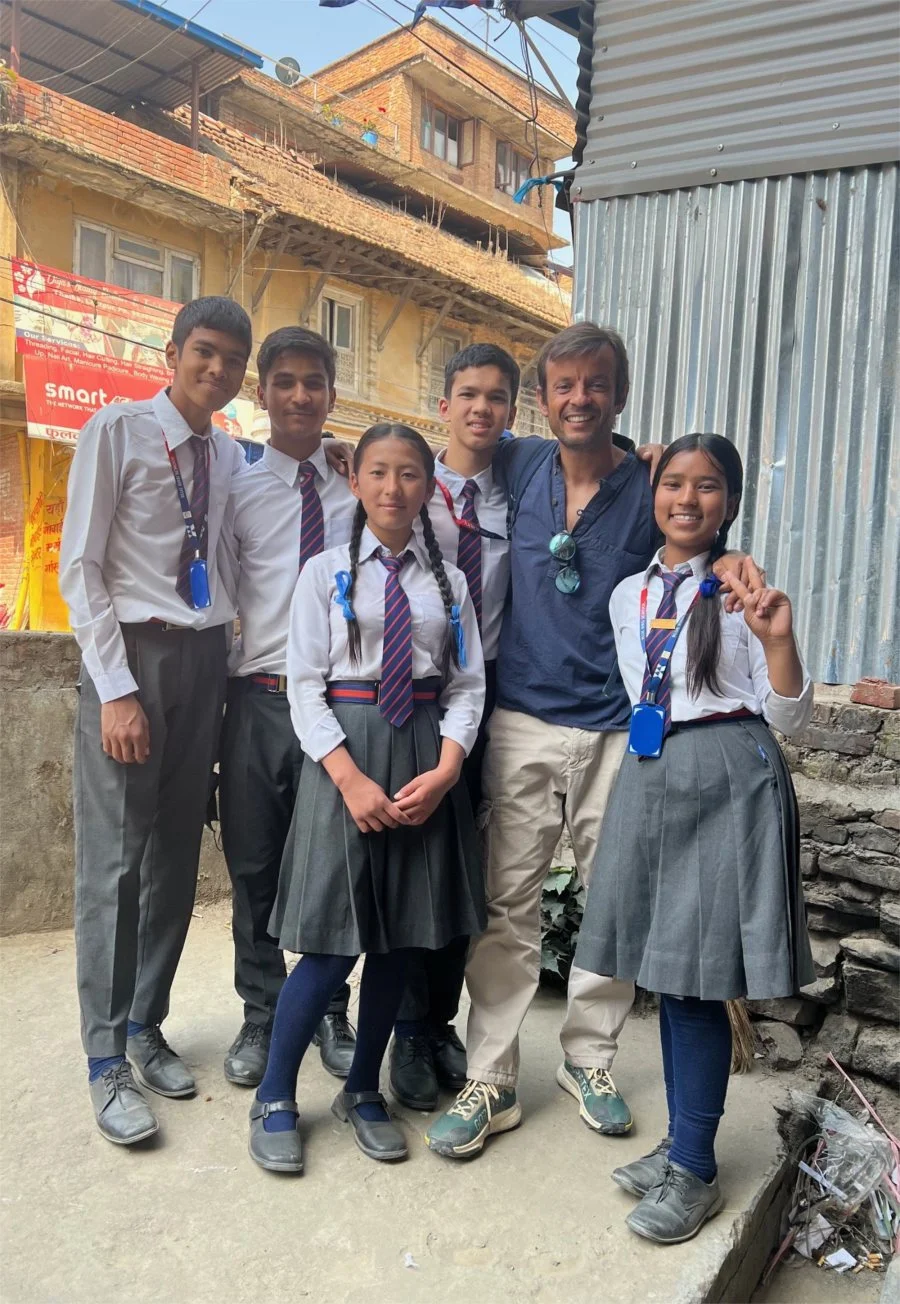
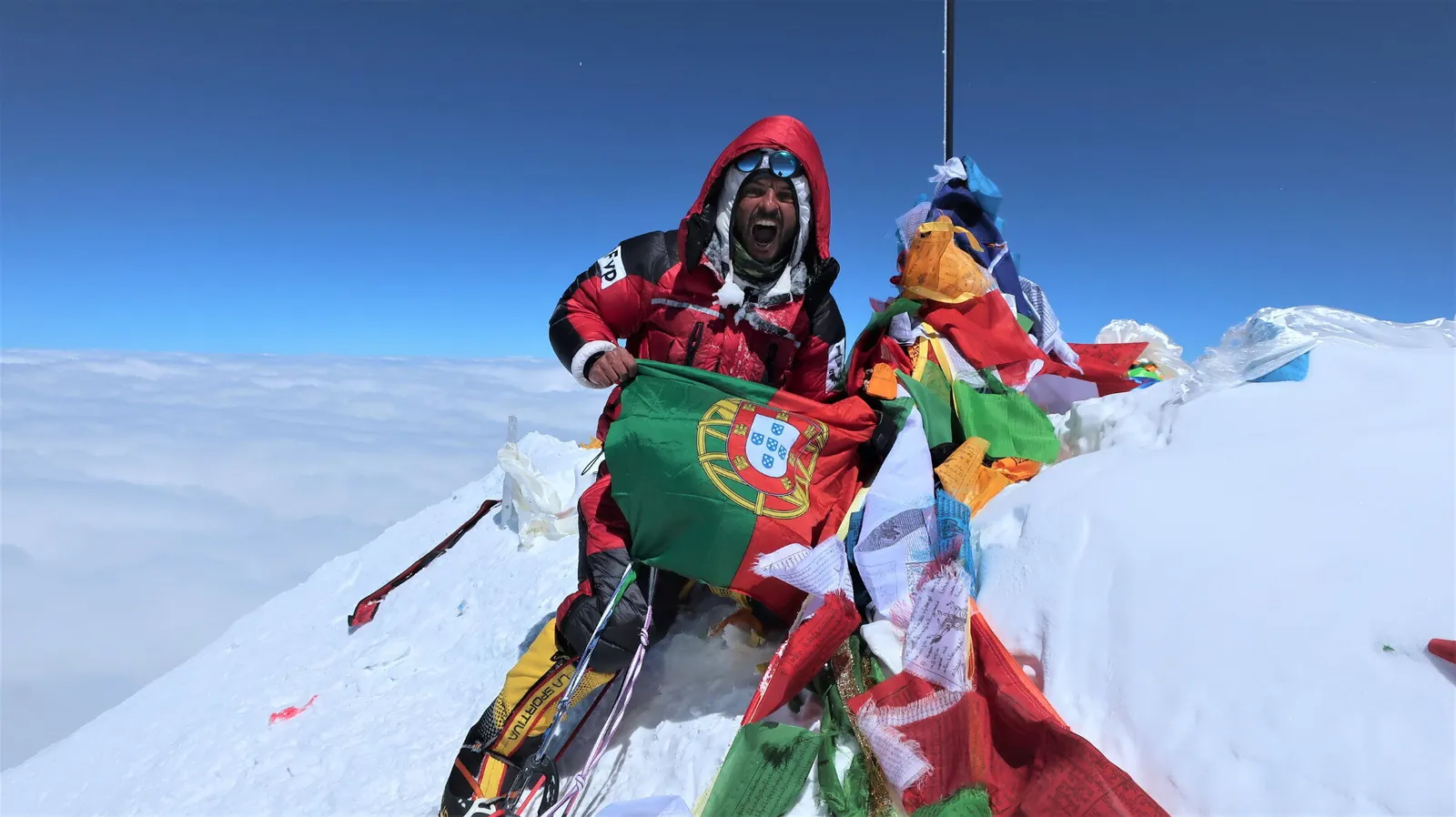
Some names stay with us for a lifetime. For me, one of them is Tenzing Norgay Sherpa. Long before I set foot in the Himalayas, I had read several books about him and about the 1953 British expedition that finally reached the summit of Everest. When, years later, I stood on that summit myself, it was impossible not to think of the man who got there first, alongside Edmund Hillary, on the morning of 29 May 1953.
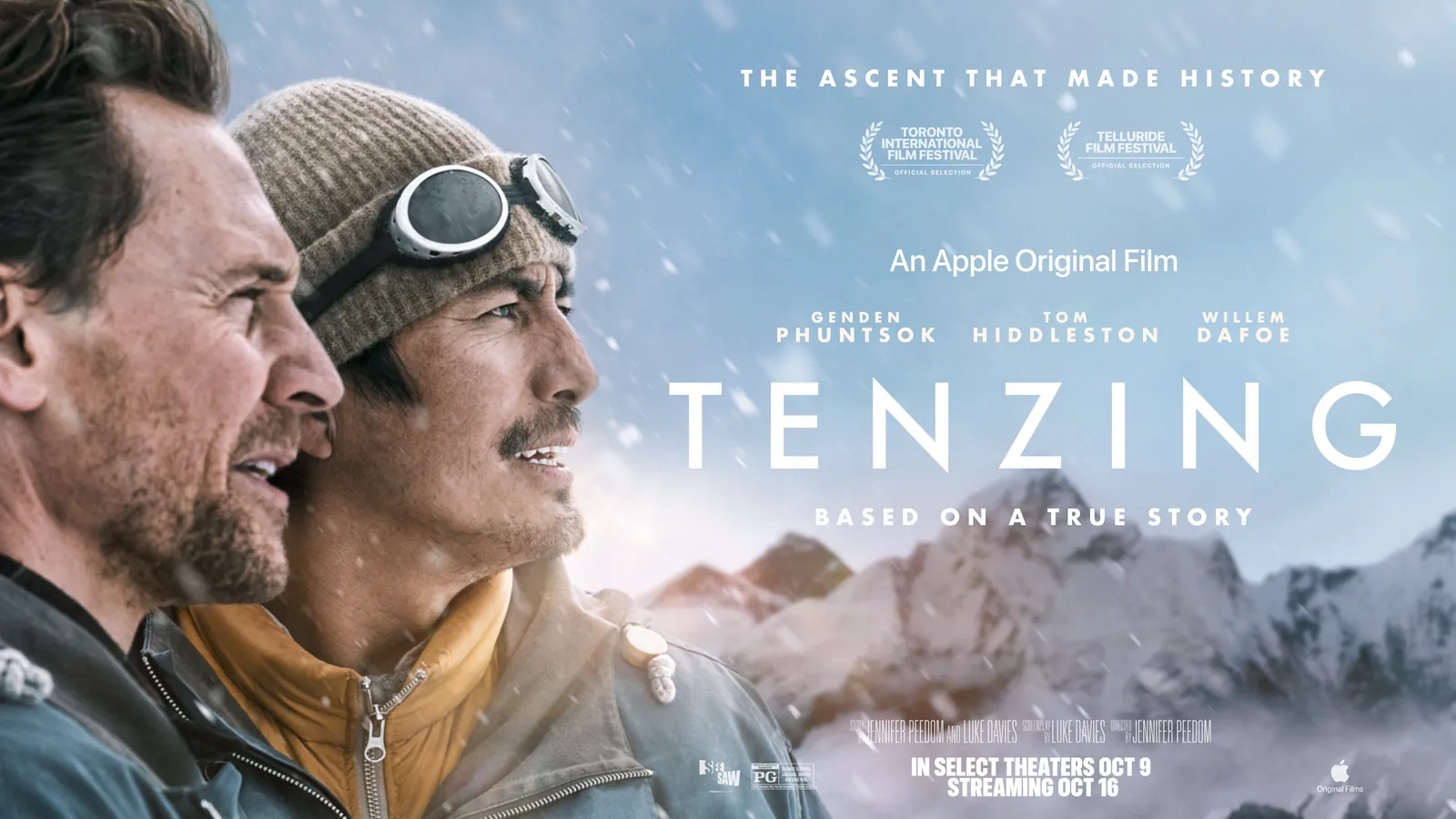
So it was with expectation — and some nerves — that two weeks ago I sat down next to my father to watch Tenzing, the film directed by Jennifer Peedom and written by Luke Davies, which reached cinemas and Apple TV in October. I left with one clear feeling: I liked it, a lot. But as someone who knows the mountain and its history closely, I also left convinced that this is not yet the definitive work about the great Tenzing Norgay Sherpa.
Tenzing at the centre of the story, at last
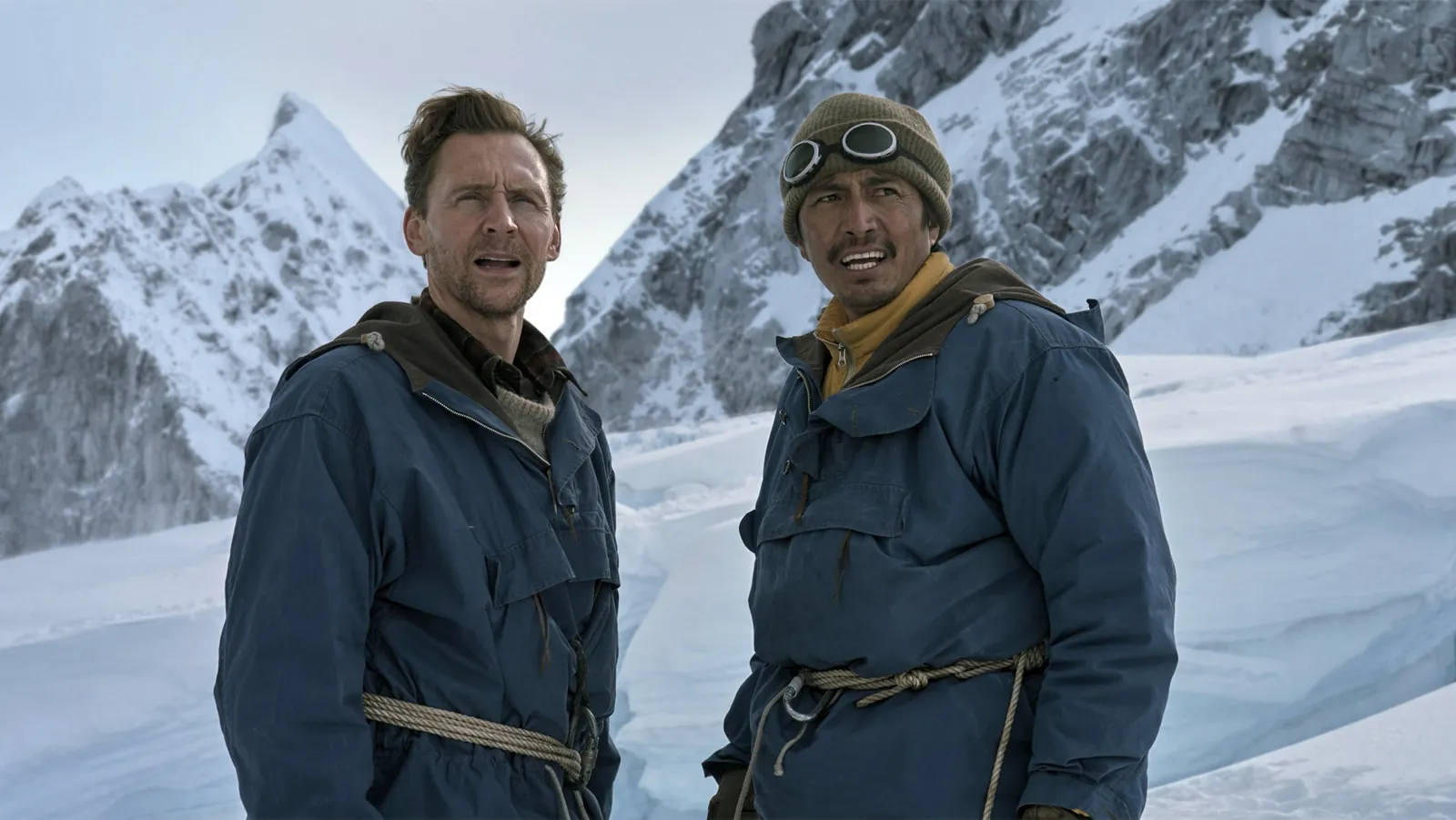
The film’s greatest merit is in its title. For decades, the story of the first ascent was told mostly from a Western point of view: Hillary, the British expedition and the coronation of Queen Elizabeth II on the same day the news reached London. Tenzing almost always appeared as the loyal companion, the “sherpa” who went with Hillary. This film turns that perspective around and, quite rightly, puts him at the centre of the story.
We see the young Tenzing dreaming of the mountain, insisting on joining expeditions, collecting attempts and frustrations over the years. It is a story of persistence, of faith, and of a man who saw Everest not as a conquest but as Chomolungma, the mother goddess of the earth. For anyone who has been up there, that spiritual dimension is not a poetic detail: it is real. The mountain commands respect, and the film conveys this with sensitivity.
One of the things I liked most was the way the historical figures were brought to the screen. Genden Phuntsok gives Tenzing a calm, determined and human presence, far from the caricature of the infallible hero. Tom Hiddleston builds a believable Edmund Hillary, a New Zealander who was himself something of an outsider in a very English expedition, which creates an interesting bond between the two. And Willem Dafoe, as Colonel John Hunt, brings the authority and sense of mission of a leader who had to make difficult decisions, including choosing the pairs who would try for the summit.
I must admit it was moving to see these three characters, whom I have read so much about, gain a face, a voice and gestures. At times the film gets their relationship exactly right: the delicate balance between respect, ambition and camaraderie that defines every great expedition.
The landscapes are another highlight. The Khumbu valleys, the glaciers, the snow-covered ridges and that unique light of the high mountains are beautifully portrayed. In several scenes I recognised feelings I lived first-hand: the cold that gets into your bones, the absolute silence and how small a human being is in front of the vastness of the mountain. For the ordinary viewer, the film is an excellent window into a world few will ever get to see.
Where does it fall short?
That said, it would be dishonest of me not to point out some weaknesses.
I understand that a film is not a documentary and that drama needs some narrative freedom. Even so, for anyone who knows the story of Tenzing and the 1953 expedition well, there are moments when the facts are not presented accurately.
The clearest example comes at Camp 4. In the film, Edmund Hillary goes to Colonel John Hunt and asks for a chance to go for the summit with Tenzing after Charles Evans and Tom Bourdillon fail. That is not how it happened. The plan had been made about a week earlier, at advanced base camp in the Western Cwm, and it was already known that if the first pair failed, Tenzing and Hillary would go next. The scene works dramatically, but it undervalues Hunt’s meticulous planning, which was one of the keys to the expedition’s success.
Family matters are also only lightly explored. Tenzing’s childhood, his parents’ origins and the move from Tibet to Nepal are treated superficially and somewhat confusingly. The same happens with his personal life: it is not clear how his first wife died, and his second wife is introduced in a hurry. These are chapters that help explain who Tenzing was, and they deserved more space. Such an extraordinary story did not need to be embellished or simplified: here, the truth is epic enough.
You can tell this is not a big-budget blockbuster. In some high-mountain scenes, the feeling of extreme altitude, brutal physical effort and constant danger falls short of what you really live above 8,000 metres, in the so-called death zone. Anyone who has been there knows that each step can take several breaths, that body and mind start to fail, and that the line between success and tragedy is very thin.
I would have liked to feel that more intensely on screen, especially on the night before the summit push. In his memoirs, Hillary says the noise of the wind was like “a thousand tigers roaring at once”, but this doesn’t come across in the film. And what happened to the story of Hillary’s boots freezing, which took him two hours to thaw? The climb of the Hillary Step itself doesn’t seem technically well portrayed either, compared with Hillary’s own account in his memoirs.
Finally, I felt that some key moments of the final climb deserved more time and depth. The approach to the summit and the descent — where did Edmund Hillary’s famous line “we knocked the bastard off” go? — are moments that carry all the symbolic weight of the human adventure and, in my view, could have been explored more deeply.
Is it worth watching?
Despite these criticisms, my verdict is clearly positive. Tenzing is a worthy film, made with respect and with the aim of finally giving its rightful place to a man history left in the shadows for a long time. That alone is reason enough to watch it. I recommend it to anyone who loves the mountains, to anyone interested in stories of overcoming limits, and to everyone who wants to understand that behind every great achievement there are people, cultures and dreams.
For me, having had the privilege of following in Tenzing’s footsteps to the top of the world, the film was above all a reunion with an old inspiration. But it also leaves me with a wish: that this is just the first of many works about him. Tenzing Norgay Sherpa deserves an even bigger film, more ambitious, more faithful to the facts and able to convey, in all its harshness and beauty, what it means to climb Everest.
Until then, this Tenzing fulfils an essential mission: to remind us that on that morning in 1953 there were two men on the summit. And that one of them was born in the shadow of the mountain itself.
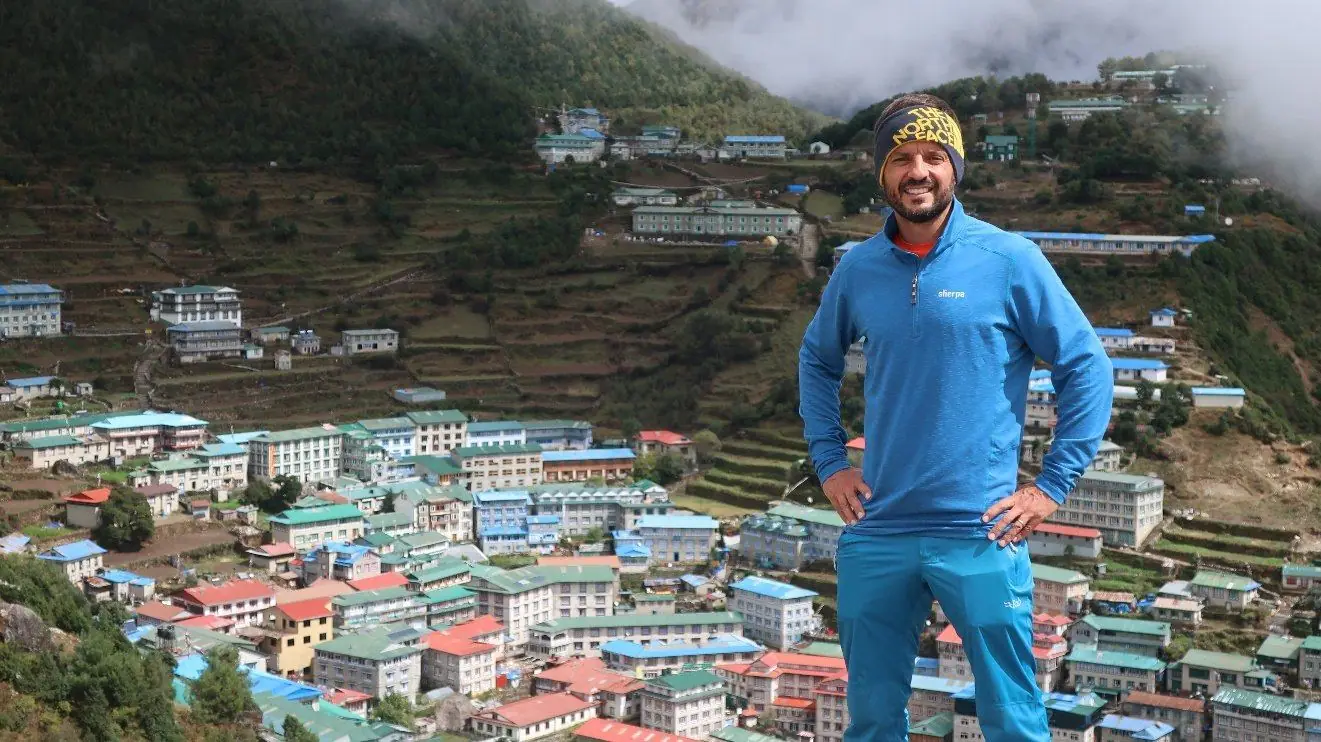
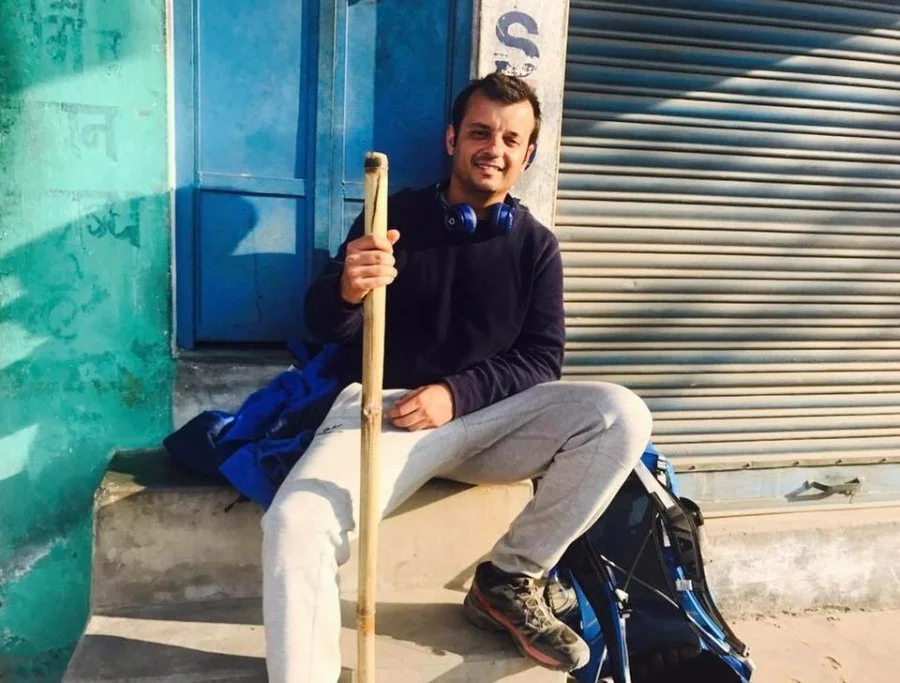
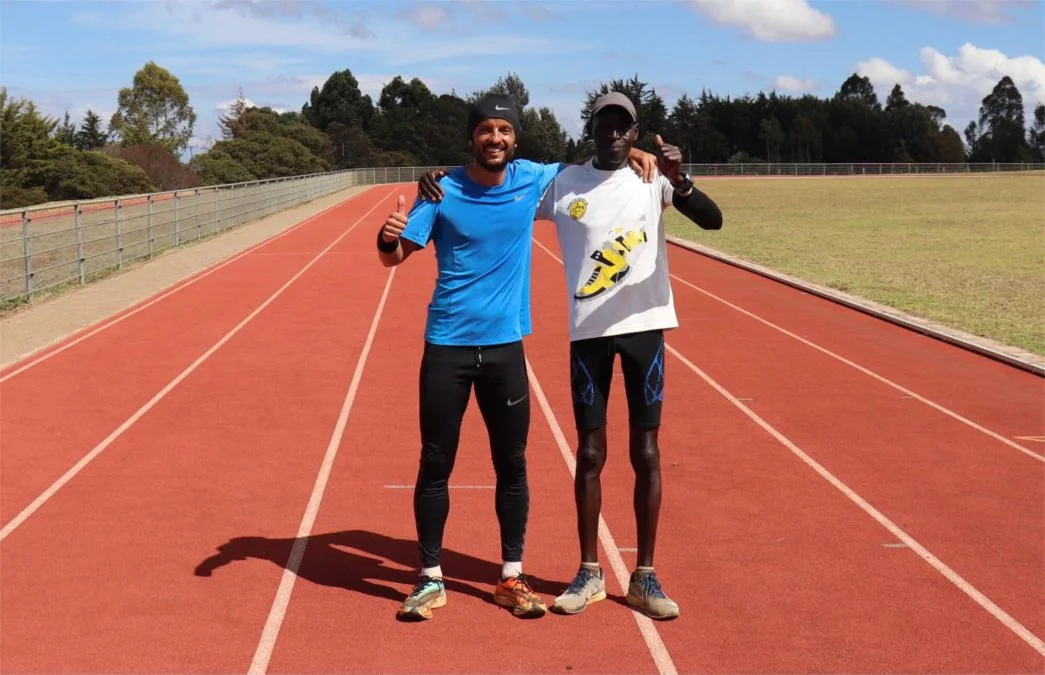
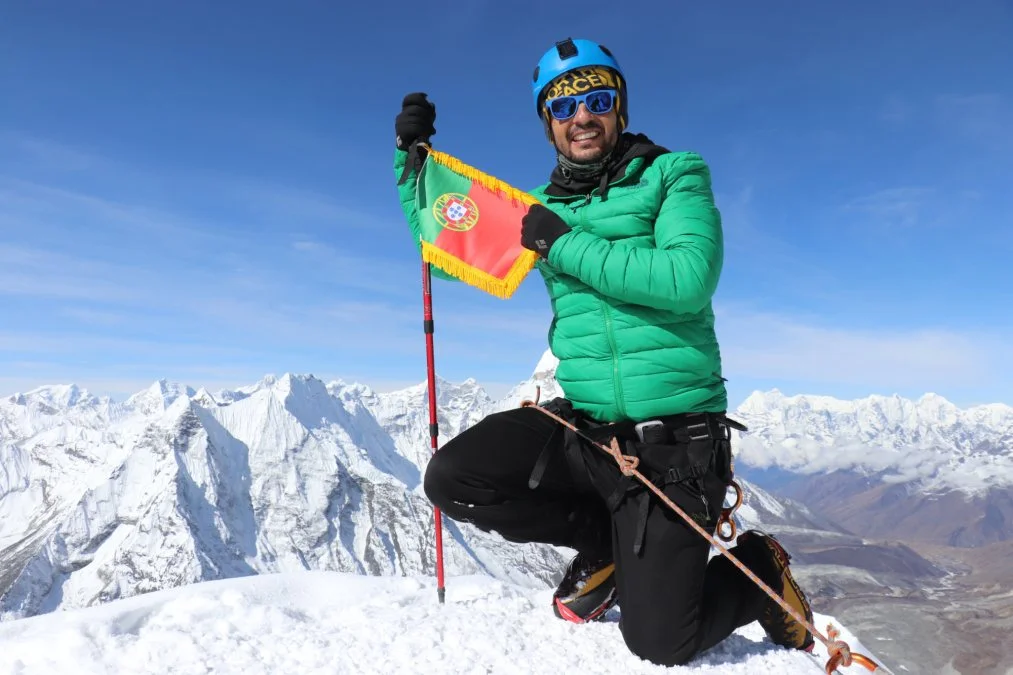
Pedro Queirós is the founder of INFINITY and Dreams of Kathmandu. In 2022 he became the sixth Portuguese to climb Everest, and in 2025 he ran 100 marathons in 100 days. He leads the INFINITY expeditions to Everest Base Camp, Kilimanjaro and Iten.
INFINITY · Expeditions
Follow in Tenzing’s footsteps to Everest Base Camp
Expedition to Everest Base Camp, at 5,364 metres, guided by Pedro Queirós from the first to the last day.


 Leave us a review on Google