So you're dreaming of a big mountain adventure, and two names keep popping up: Kilimanjaro and Everest Base Camp. Good news: you don't need any technical climbing skills for either of them. But they are two very different experiences, so let's take a look at what sets them apart.
Where are they, and how high do you go?
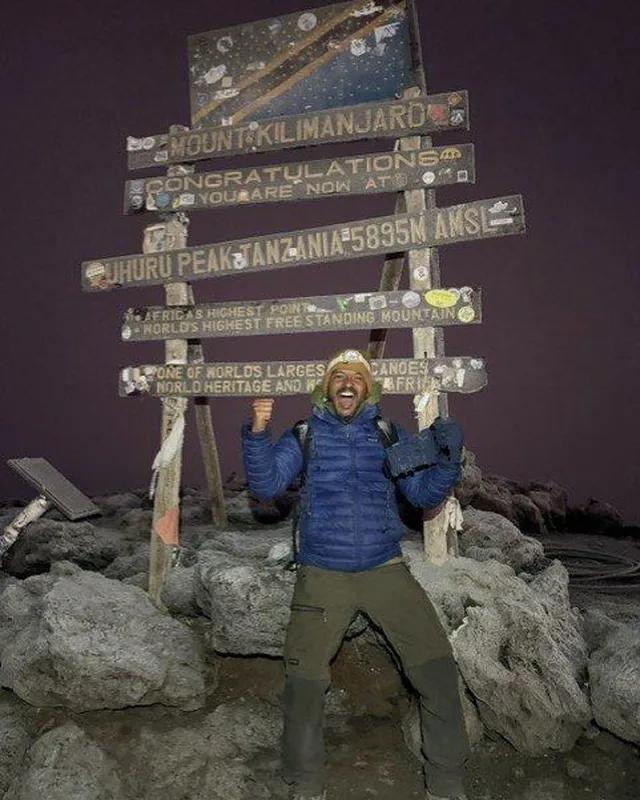
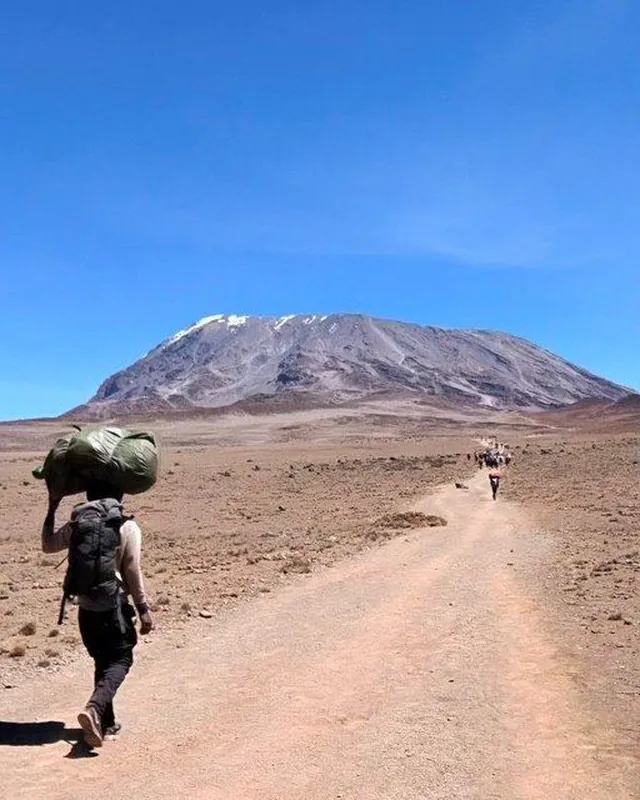
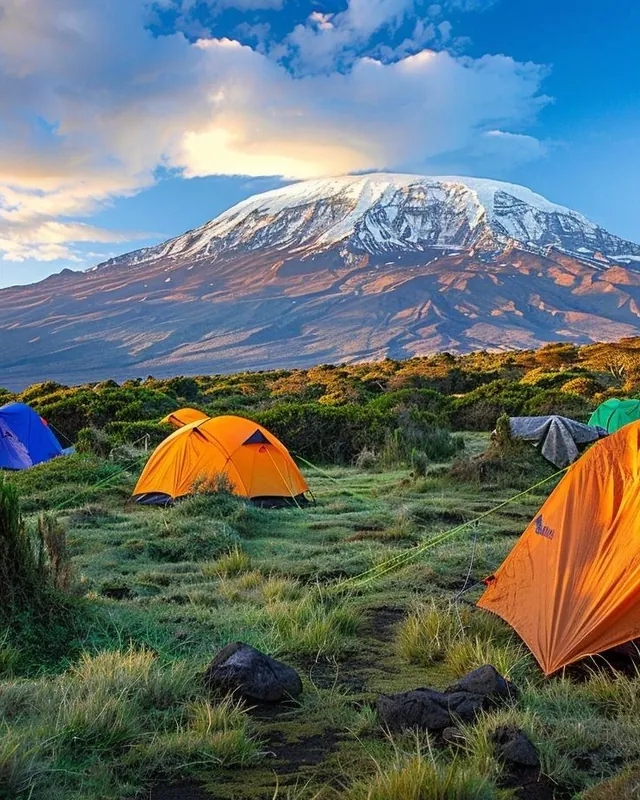
Kilimanjaro is in northern Tanzania, in East Africa. At 5,895 m, it's the highest mountain in Africa and the tallest free-standing mountain in the world. Here you get to stand on a real summit: Uhuru Peak.
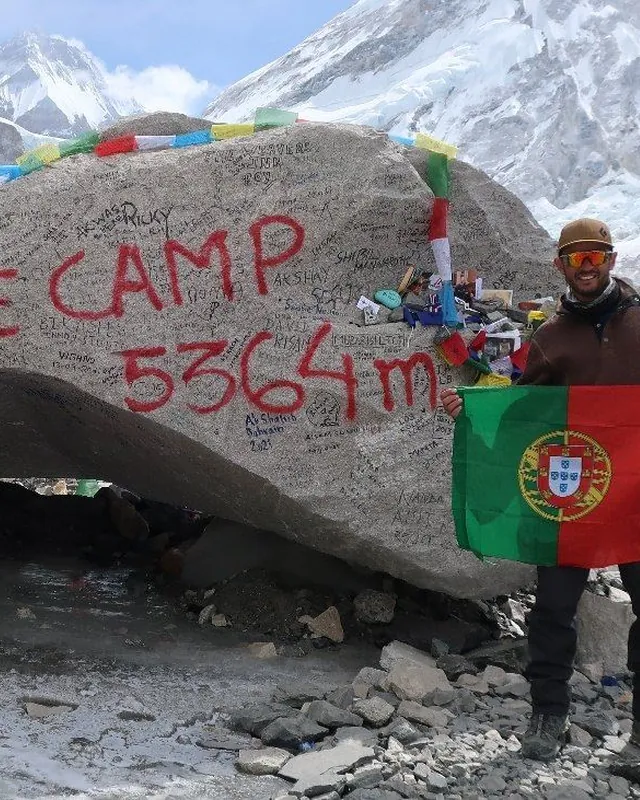
Everest Base Camp (EBC) sits at 5,364 m in Nepal's Khumbu region, right at the foot of the highest mountain on Earth. Many trekkers also hike up Kala Patthar (around 5,645 m), a viewpoint with one of the best views of Everest's summit. The goal here isn't a summit, it's the journey through the heart of the Himalayas.
How many days, and how many kilometres?
On Kilimanjaro, you'll usually spend 6 to 9 days on the mountain, depending on the route. On the 8-day Lemosho route, you'll walk around 70 km in total, from the starting gate to the summit and back down. Most days are short in distance, but summit night is a big one: you set off around midnight and cover about 17 to 18 km between the summit push and the descent.
The EBC trek usually takes 12 to 14 days round trip from Lukla. It's about 65 km from Lukla to Base Camp, so roughly 130 km if you walk all the way back. Daily distances are moderate (usually 5 to 15 km), and rest days are built in so your body can adapt.
Getting used to the altitude
Altitude is the real challenge on both treks. Kilimanjaro gains height in fewer days, so there's less time to acclimatise, which is why longer routes are a smart choice. On the way to EBC, you go up more gradually with planned rest days, although you spend more days in a row at high altitude.
What will you see?
On Kilimanjaro, you'll cross several climate zones in just a few days: rainforest, heath and moorland, alpine desert and, finally, the glaciers near the summit. The scenery keeps changing.
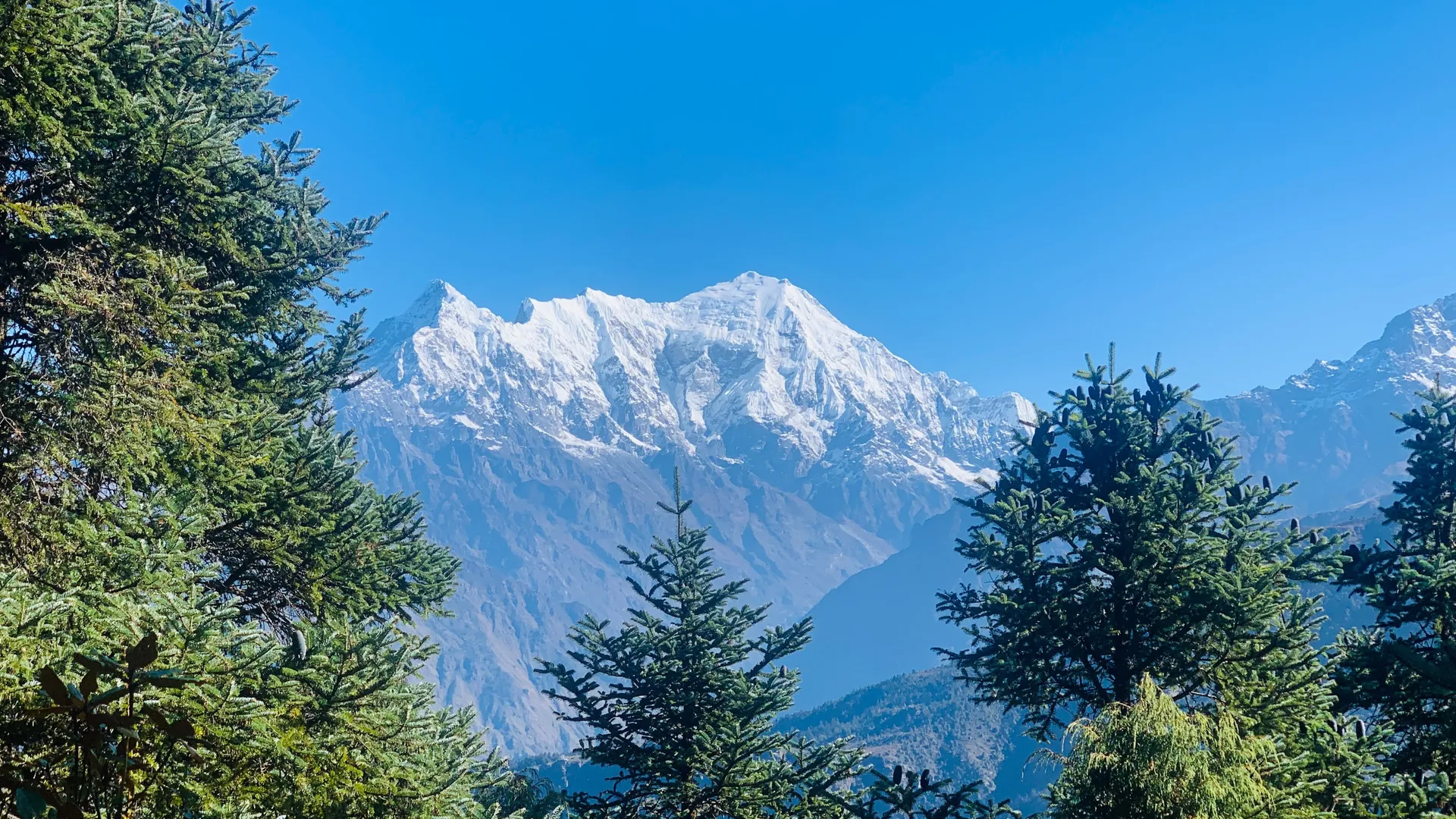
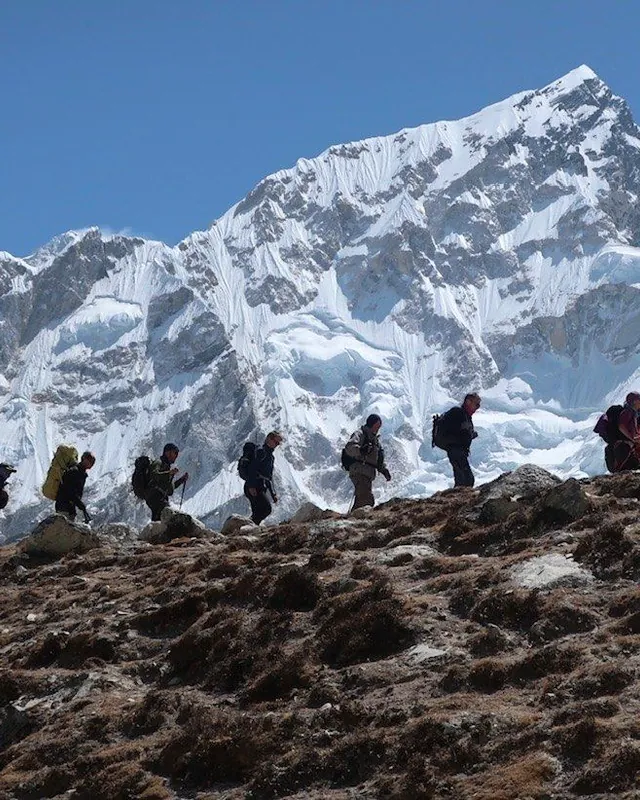
The EBC trek follows valleys surrounded by some of the highest peaks on Earth, like Everest, Lhotse and Ama Dablam. Think suspension bridges, glaciers and the famous Khumbu Icefall.
Where do you sleep, and what about the contact with the local culture?
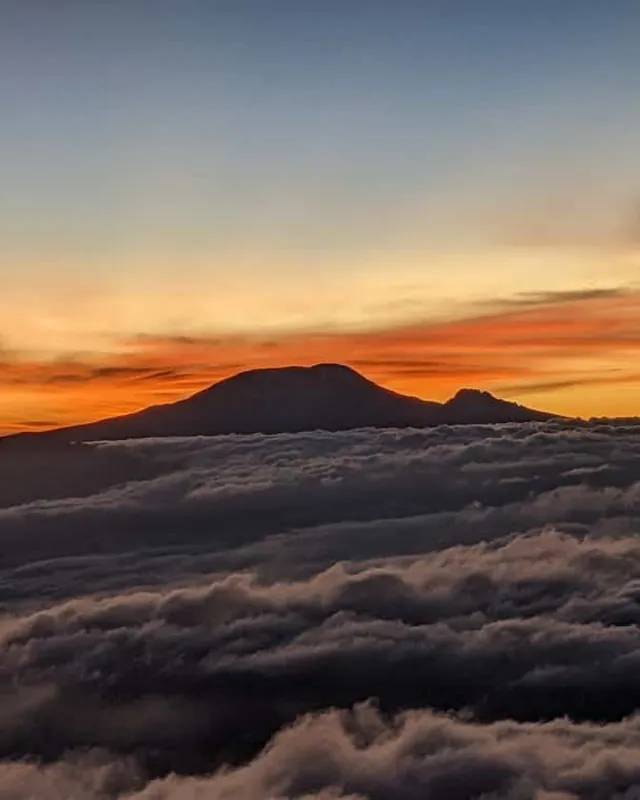
On most Kilimanjaro routes, you sleep in tents, with a team of guides, porters and cooks looking after you. Most of the contact with local culture happens before and after the climb.
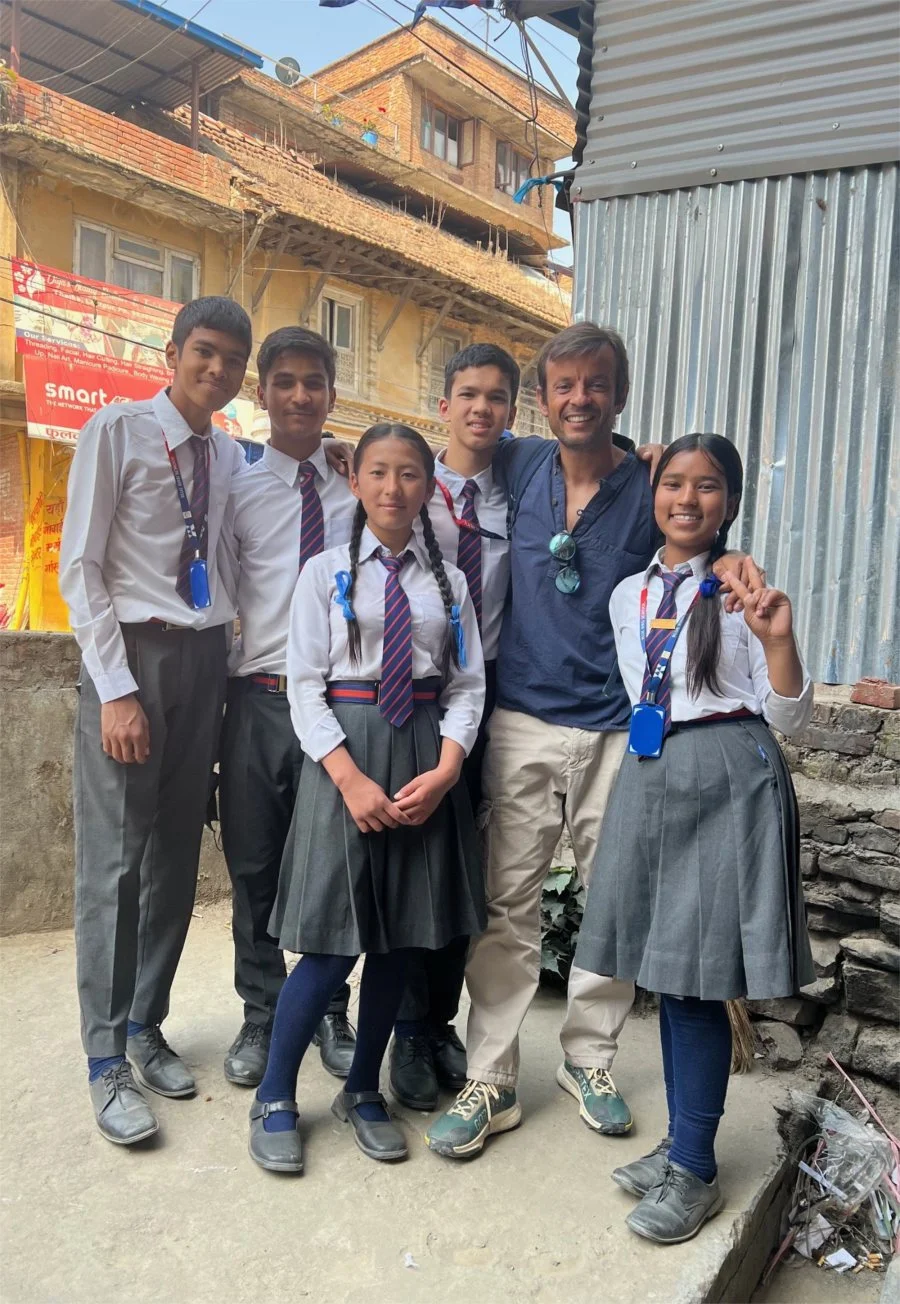
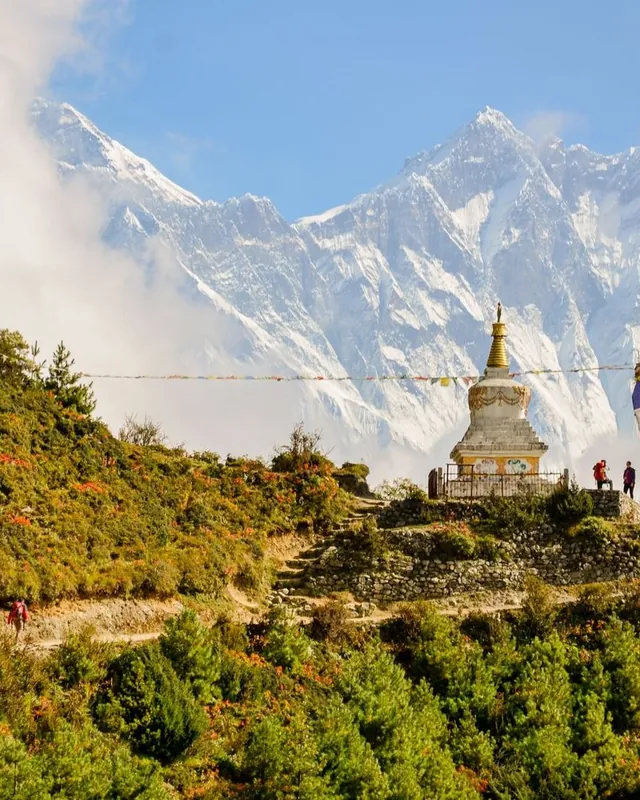
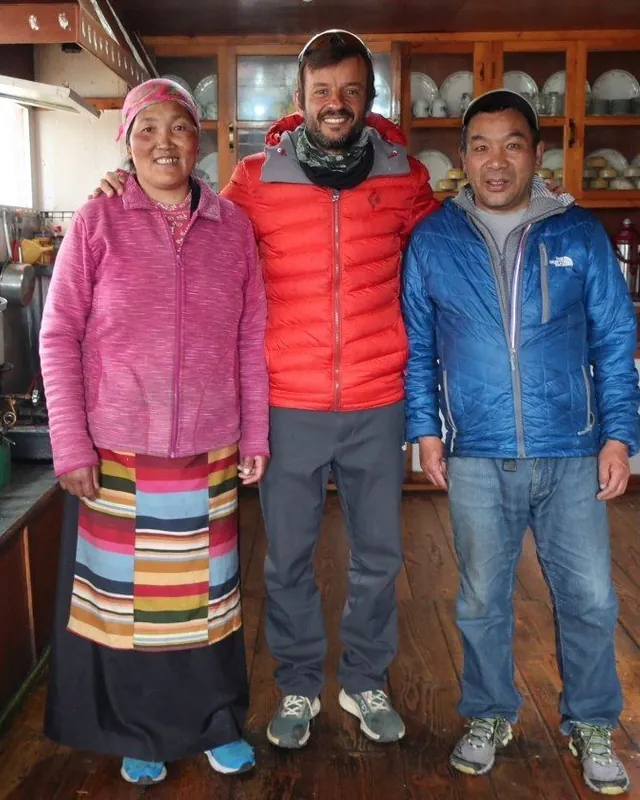
In Nepal, you'll stay in teahouses, simple lodges run by local families. You'll walk through Sherpa villages, past Buddhist monasteries and under colourful prayer flags, so culture is part of every single day.
How to get there?
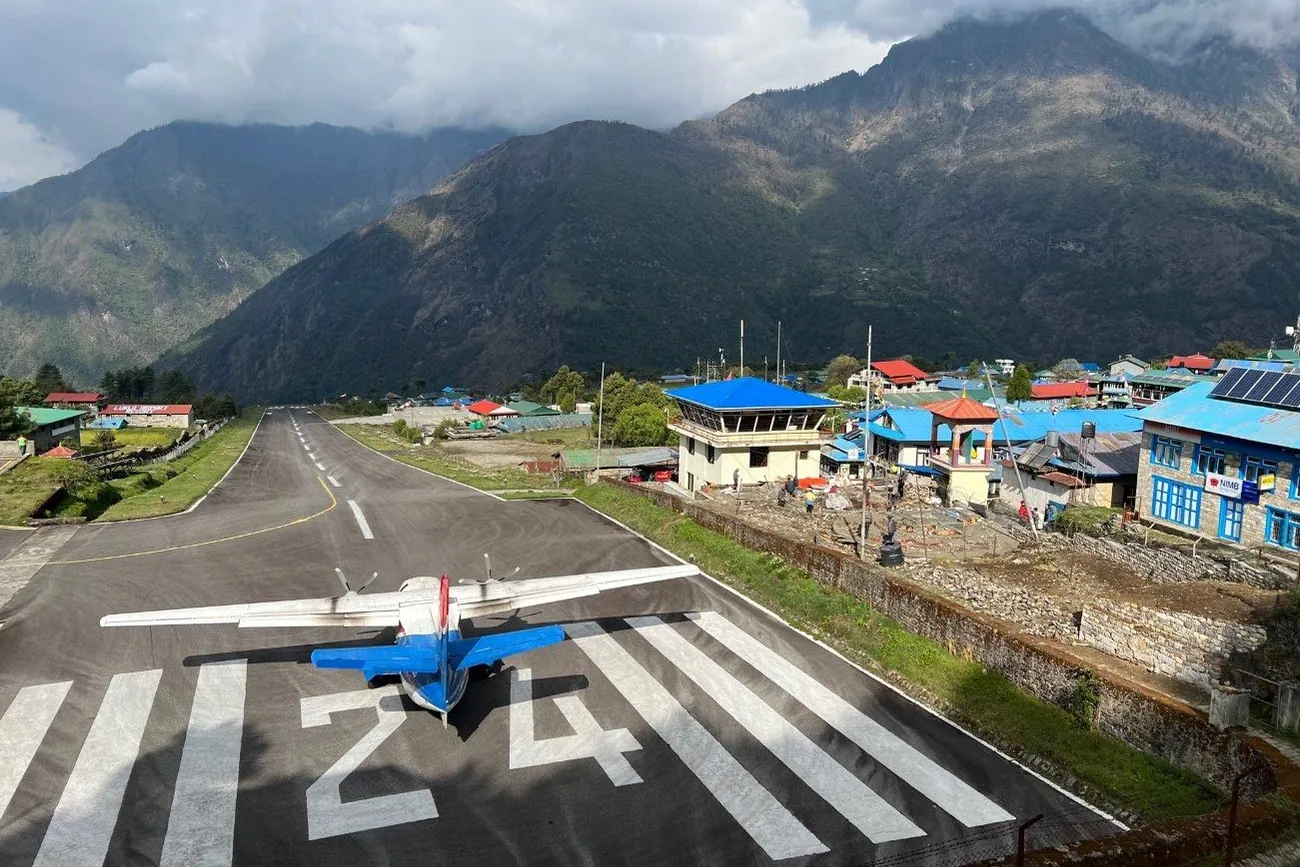
Kilimanjaro International Airport is close to the starting points of the climb. The EBC trek usually starts with a short mountain flight from Kathmandu to Lukla, one of the most memorable airports in the world, which can be delayed by the weather.
When to go?
Kilimanjaro is best climbed in the dry seasons, from January to early March and from June to October. Everest Base Camp is at its best in spring (March to May) and autumn (October to November), when the skies are clearer.
So, which one is for you?
Both treks call for good physical preparation and plenty of respect for altitude. Kilimanjaro gives you a summit and ever-changing landscapes in less time. Everest Base Camp gives you a longer immersion in the Himalayas and in Sherpa culture. In the end, it all comes down to the experience you're looking for.
Travel with INFINITY
At INFINITY, we organise small-group expeditions to both mountains, always on the best dates of the year. In 2027 we'll be at Everest Base Camp in spring and autumn, and on Kilimanjaro in July, right in the middle of the dry season.
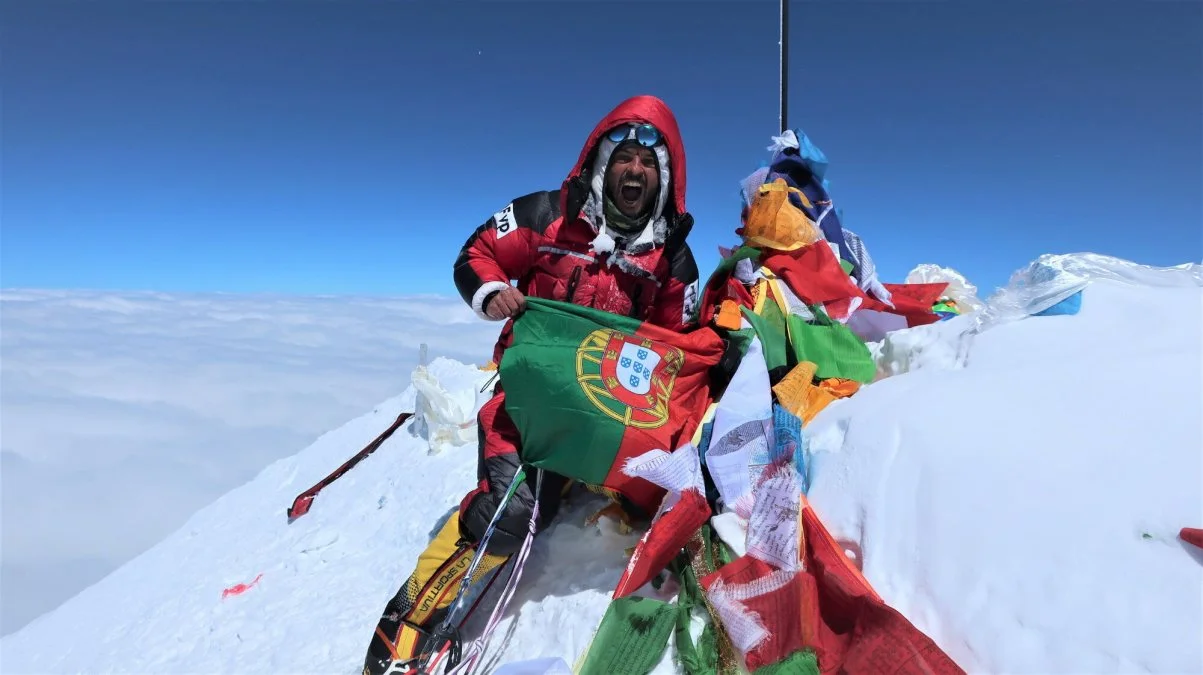
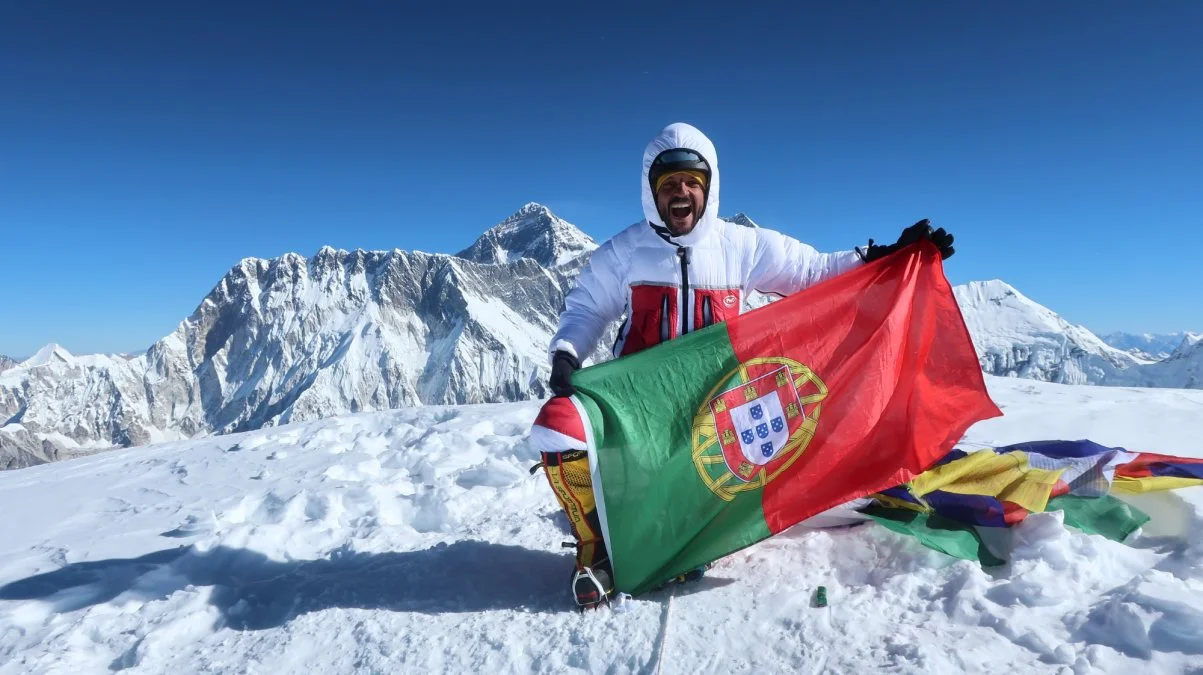
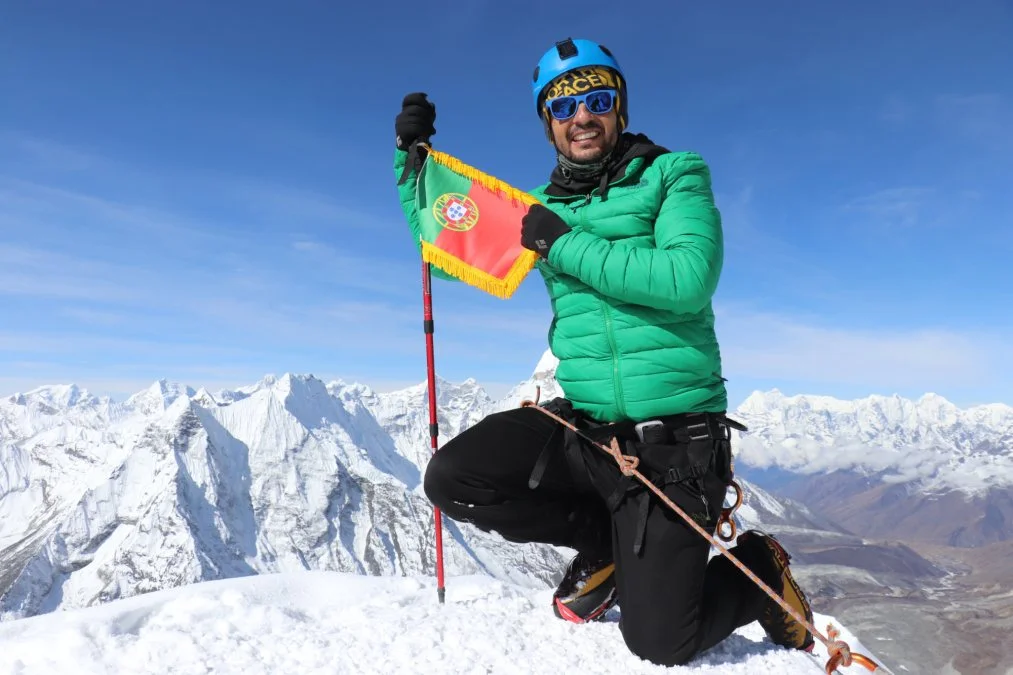
Every expedition is led on the ground by Pedro Queirós, founder of INFINITY and the sixth Portuguese climber to reach the summit of Everest. Pedro brings years of high-mountain experience and the calm of someone who knows altitude inside out, so you're never on your own, from the first day to the last.
On Kilimanjaro, we give you more time to acclimatise: you spend two days in Moshi, at the foot of the mountain, before you start, and then take the 8-day Lemosho route, one of the most scenic and least crowded on the mountain, with a gradual climb that gives your body the best chance to adapt.
Want to know more? Check out our expeditions at www.pqinfinity.com
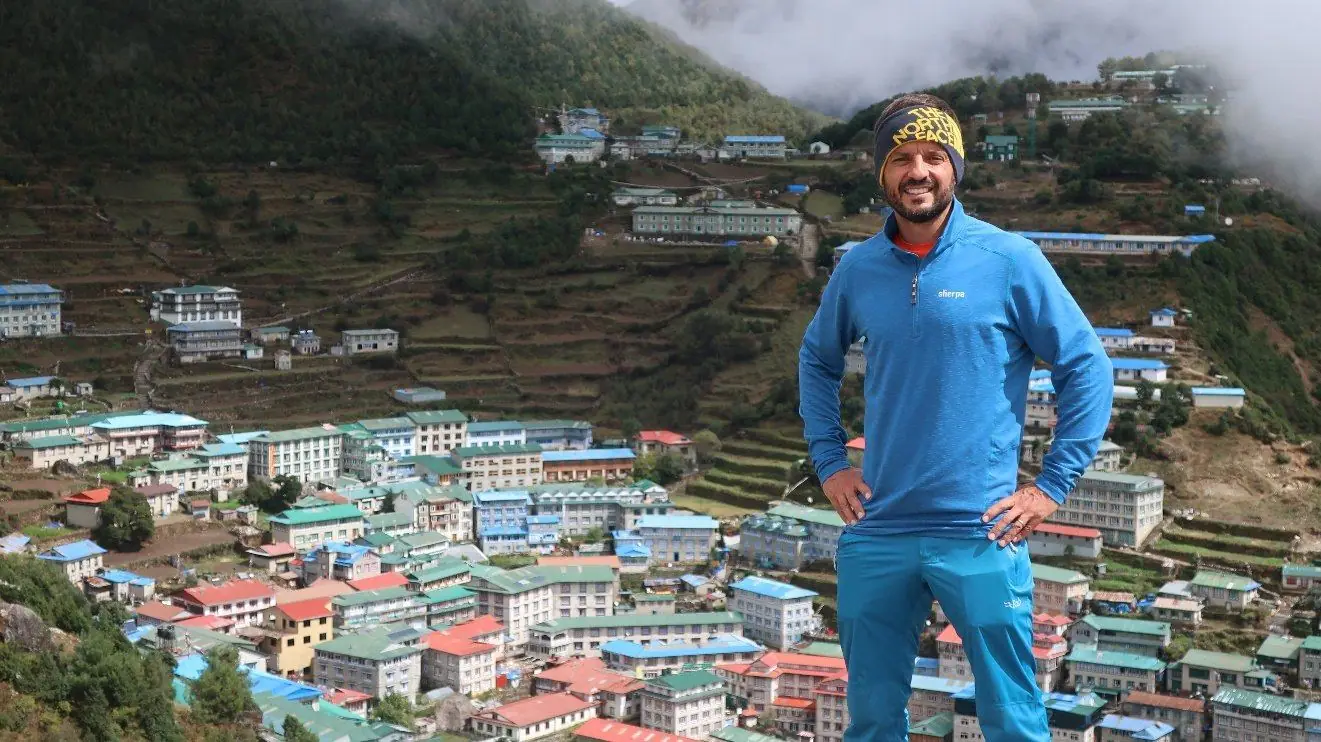
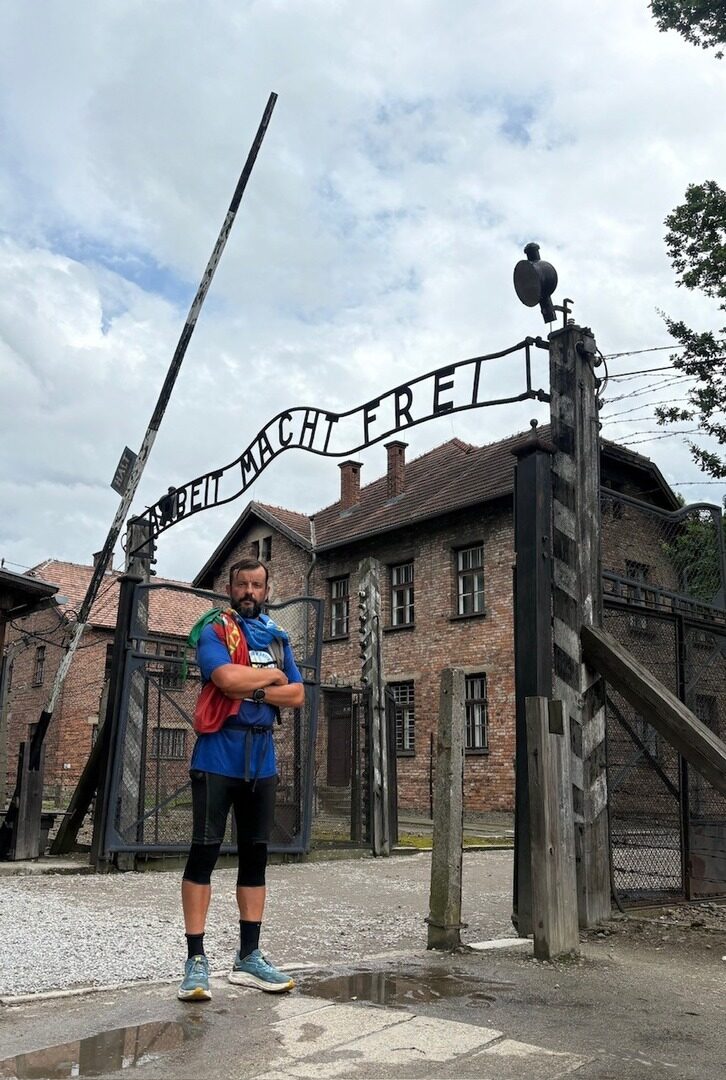
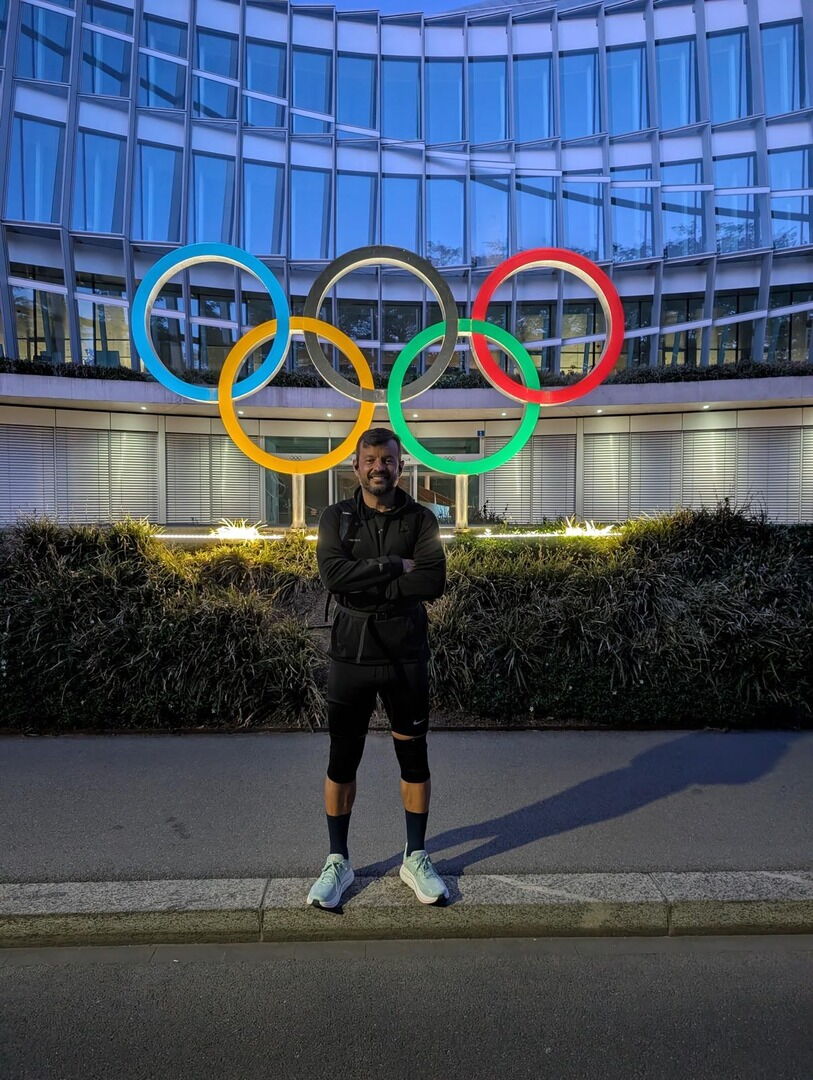
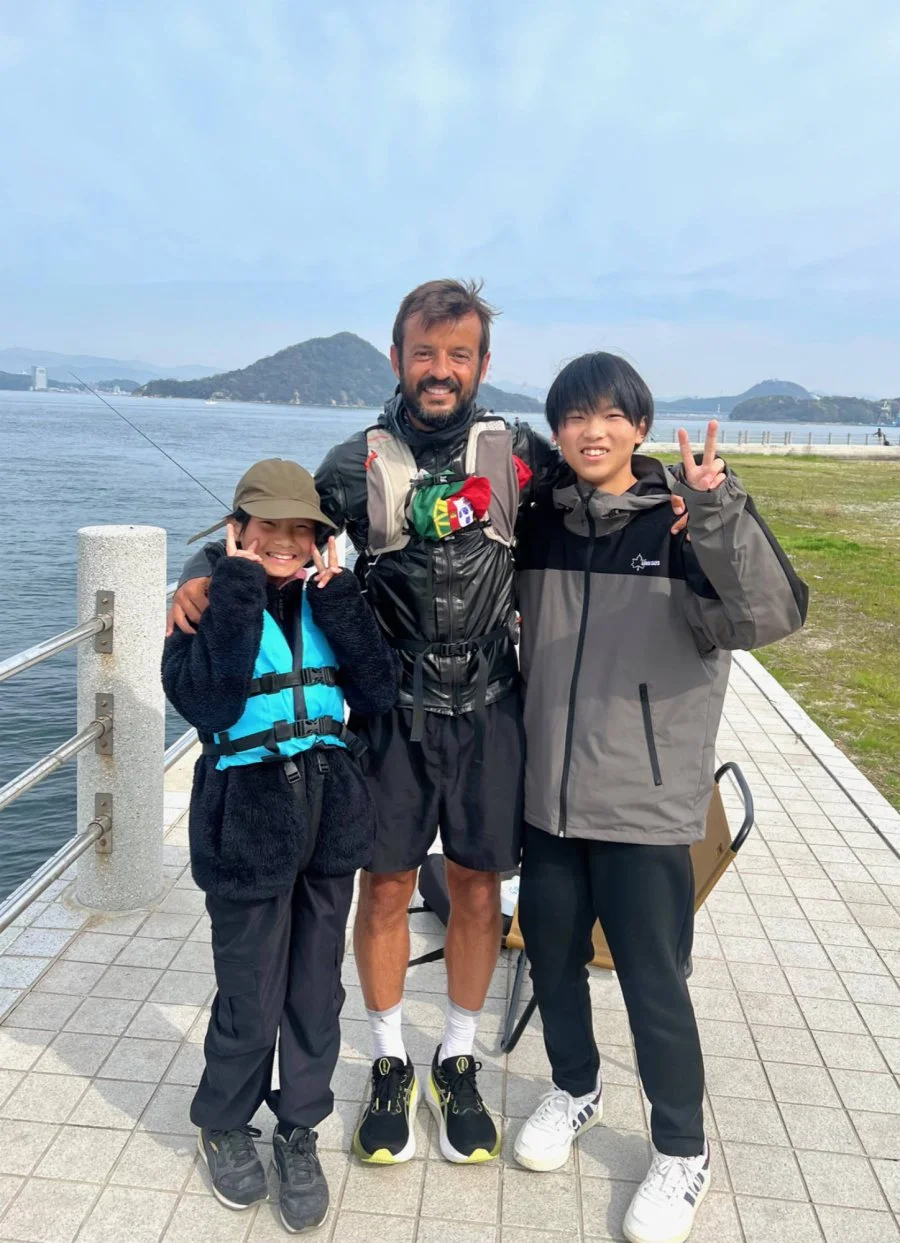
Pedro Queirós is the founder of INFINITY and Dreams of Kathmandu. In 2022 he became the sixth Portuguese to climb Everest, and in 2025 he ran 100 marathons in 100 days. He leads the INFINITY expeditions to Everest Base Camp, Kilimanjaro and Iten.
INFINITY · Expeditions
Kilimanjaro or Everest Base Camp? Choose your adventure
Small-group expeditions on the best dates of 2027, guided by Pedro Queirós from the first to the last day.


 Leave us a review on Google